Warmth after the snow: understanding Alpine spa culture
After a day in the snow, warmth becomes a ritual: sauna, outdoor pool and a relaxation room facing the peaks. What defines Alpine spa culture and how to recognise a spa that feels right.


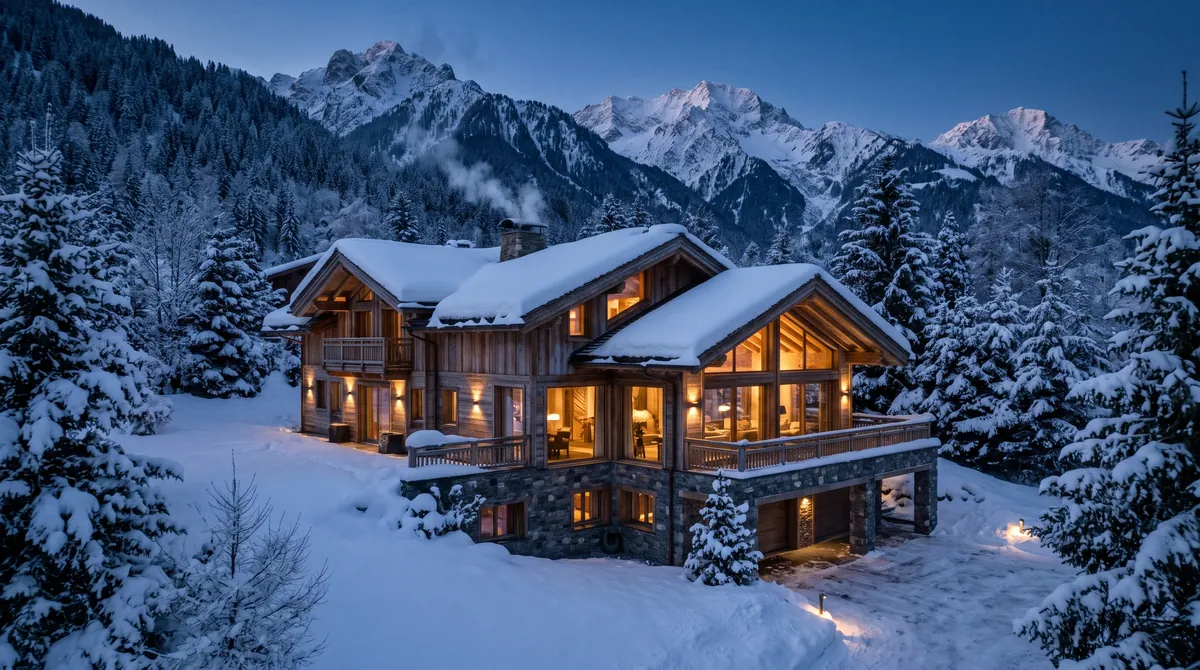
Outside, snow is falling in thick, slow flakes, and the water in the outdoor pool steams into the cold air. You lean against the edge, shoulders in the warm water, face in the frost, and on the far side of the valley the peaks gradually disappear into the dusk. The scent of stone pine and herbs drifts from the sauna house. In the Alps, warmth in winter is not a luxury but a ritual that rounds off the day. Once you know it, you plan your trip a little differently.
What defines Alpine spa culture
The spa culture of the Alps grew out of simple things: wood, water, cold and warmth. In the German-speaking Alpine region the sauna has been part of everyday life for decades, and many hotels have turned it into worlds of their own: several saunas at different temperatures, steam rooms, outdoor pools, relaxation rooms with large windows. Regional materials such as stone pine, larch, natural stone and loden are typical, along with treatments using hay or mountain herbs that have their roots in farming tradition.
What sets a good Alpine spa apart from just any wellness area is its bond with the landscape. The windows frame mountains, the path from the steam room to the outdoors crosses a stretch of snowy terrace, and the relaxation room is so quiet you can hear the crackle of the fire. Here it is less about facilities than about atmosphere.
The rules of the sauna
If you come from a country where saunas are less common, some customs may surprise you. In the German-speaking Alpine region, that is, in Germany, Austria, Switzerland and South Tyrol, saunas are generally textile-free. Swimwear is not welcome there, but a large sauna towel is compulsory. Hotels with an international clientele often also offer areas where swimwear is worn, or separate saunas for women. If in doubt, ask at reception which rules apply.
- Shower and dry yourself well before your first sauna session.
- Lay your towel so that no part of your body touches the wood.
- Speak softly or stay silent; quiet is part of the experience.
- No phones and no cameras in the sauna area.
- Don’t go in or out during an infusion.
- After a session, cool down in the fresh air or under the shower, then rest.
The same silence applies in the relaxation rooms. A book is welcome, as is a conversation in hushed tones, but a phone call is not. Reserving loungers with a towel and then staying away for hours is considered impolite in many hotels and is often expressly forbidden.
The infusion in particular, known locally as the Aufguss, is a small piece of theatre in the Alps. The sauna master pours water scented with essential oils onto the hot stones and spreads the heat with a towel. Fragrance and sequence vary from ritual to ritual, from stone pine to mountain pine to citrus notes. Newcomers sit on the lower benches, where it is less hot. Heat and cold are intense; if you are unsure whether sauna and cold water are right for you, check with your doctor beforehand.
The right time of day
In ski resorts the spa follows a clear rhythm. In the late afternoon, when the lifts close and guests return from the mountains, many hotels get busy. If you want peace and quiet, go earlier or later: on the morning of a day off, at lunchtime or in the evening after dinner, when most guests are sitting in the bar or have already gone to their rooms. The hour of dusk is particularly beautiful, when the mountains glow pink in the last light and the lamps come on around the outdoor pool.
A good plan for a ski day: ski in the morning, take a long break at midday, return to the hotel in the early afternoon and head for the sauna an hour before the big rush. That way you have the warmth almost to yourself and can sit down to dinner relaxed.
An outdoor pool at night has a magic of its own. Steam rises in the glow of the underwater lights, snowflakes melt on the surface, and on clear evenings the stars shine above the valley. Ask how late the outdoor area is open in the evening, and walk the few steps from the building to the pool in a bathrobe, not just a towel.
In the Alps, warmth in winter is not a luxury but a ritual that rounds off the day.
How to recognise a spa that feels right
The pictures in the brochures often look alike: a pool with a mountain view, loungers with woollen blankets. What really sets a hotel apart shows in other details.
- Size relative to the number of rooms: A small spa in a large hotel gets cramped in the afternoon.
- Separate areas: Adults-only quiet zones and dedicated family areas prevent friction.
- Relaxation rooms that truly relax: enough loungers, soft lighting, no through traffic.
- Outdoor area: A heated pool or a path out into the snow is what gives a spa its Alpine character.
- Treatments with a regional connection: hay, mountain herbs, stone pine or local stones instead of generic programmes.
When booking, ask whether day passes are sold to outside guests. That can liven up the atmosphere, but it can also bring crowds. Just as important: at what times are children allowed in the spa, and is there an area reserved exclusively for adults?
Treatments with a regional connection
Many Alpine hotels offer treatments rooted in rural traditions. In the hay bath, which has a long history in South Tyrol, you are bedded in warm, damp mountain hay, and the room fills with the intense scent of a summer meadow. Massages with oils from mountain herbs, salt scrubs or wraps with arnica and mountain pine are part of the repertoire too. Expect above all a sensory experience of warmth, fragrance and calm. Each hotel describes exactly what a treatment involves; ask about the duration, the sequence and the products used. Many hotels also offer treatments for couples, with two treatment beds in the same room.
Early, mid or late winter
When in the winter you go also changes the experience. In December before the holidays many hotels are quieter, the days short and the evenings long, ideal for extended hours in the spa by candlelight. During the Christmas and carnival holidays it is lively, the spa areas are busy and appointments for treatments become scarce. In March the sun is already higher, the terraces warm up at midday, and you get that contrast between spring light and snow that many regulars love. If you are not tied to school holidays, January after the festive season and March often offer the most pleasant mix of peace and winter.
Small mistakes, big impact
- Straight from the piste into the sauna: A short pause, a warm shower and something to drink make the transition more pleasant.
- Too many sessions: Two or three sauna sessions with rest in between are more relaxing than a programme timed to the minute.
- Forgetting your sauna slippers: Many hotels provide them, but not all.
- Sauna on a full stomach: After a large dinner the heat is uncomfortable; better to wait a while.
- Rushing to a treatment: Arrive at the last minute and you need half the treatment just to settle down. Allowing a quarter of an hour is enough.
Who Alpine spa days are right for
A winter holiday with a focus on the spa is worthwhile for anyone who wants to combine activity and rest: downhill skiers, cross-country skiers, winter walkers, but also guests who have no wish to go out in the snow at all and would rather admire the mountains from a warm pool. It is less suitable for those looking for bustle, or for anyone uncomfortable with textile-free saunas who cannot find a hotel with a swimwear area. Families with small children should look for hotels with clearly separated areas, so that parents and children alike get what they came for.
What our selection is based on
A bond with the landscape
Windows, outdoor areas and materials should bring the mountains close. We look at whether a spa belongs to its place.
Space per guest
A spa must match the number of rooms, or it gets cramped in the afternoon. For us that is a key criterion.
Clear rules and zones
Textile-free and swimwear areas, quiet zones and family times should be clearly described.
Honest descriptions
We prefer hotels that describe treatments as an experience and promise no effects.
Questions and answers
Are saunas in the Alps always textile-free?
In the German-speaking Alpine region, generally yes. Many hotels with an international clientele also offer swimwear areas or saunas for women only. Ask in advance which rules apply at the hotel in question.
When is the spa at its quietest?
Usually in the morning and later in the evening. In the afternoon, when the skiers return, many hotels get busy. Going an hour earlier often makes a big difference.
Can I enjoy a spa holiday in the mountains if I don’t ski?
Absolutely. Winter walks, snowshoe hikes, strolls and long hours in the spa fill the days. Make sure the hotel also offers a quiet, attractive spa area during the day.
Do I need to bring a bathrobe and slippers?
In most hotels they are waiting in your room. In smaller hotels or as a day guest, that may be different. A glance at the booking documents or a quick question saves surprises.
Go deeper in our network
- suruyaWellness, spa and retreats
There you will find spas, wellness hotels and retreats presented in depth, with an eye to facilities, atmosphere and season.
- vaiavaWellness retreats
If you are looking for calm and mindfulness beyond a visit to the spa, you will find retreats and ideas for conscious travel there.
Finest.Lifestyle selects by its own criteria. The images are AI generated illustrations and do not show specific houses or products.